
Home Improvement guide
Siding Replacement Options for NYC Homes: Vinyl, Fiber Cement, Wood and Moisture Protection
Choosing siding for a New York home: vinyl, fiber cement, wood and composite compared, plus why the water barrier, flashing and ventilation behind the siding matter. Key points in this guide: Vinyl, fiber cement, wood and composite differ in upkeep; Damaged sheathing should be repaired before new siding; A water-resistant barrier and flashing prevent leaks.
Quick answer
Siding protects a house from weather, so the work behind the surface matters as much as the material you choose. Vinyl, fiber cement, wood and composite each have different upkeep, appearance and installation requirements, and none will perform well over damaged sheathing or missing flashing. A proper replacement checks and repairs what is underneath, installs a water-resistant barrier, flashes windows and doors, and leaves room for moisture to escape. Gotham Home Services installs siding across Queens, Brooklyn, Manhattan, the Bronx and Staten Island, visits the site first and gives a written quote before any approved work begins.
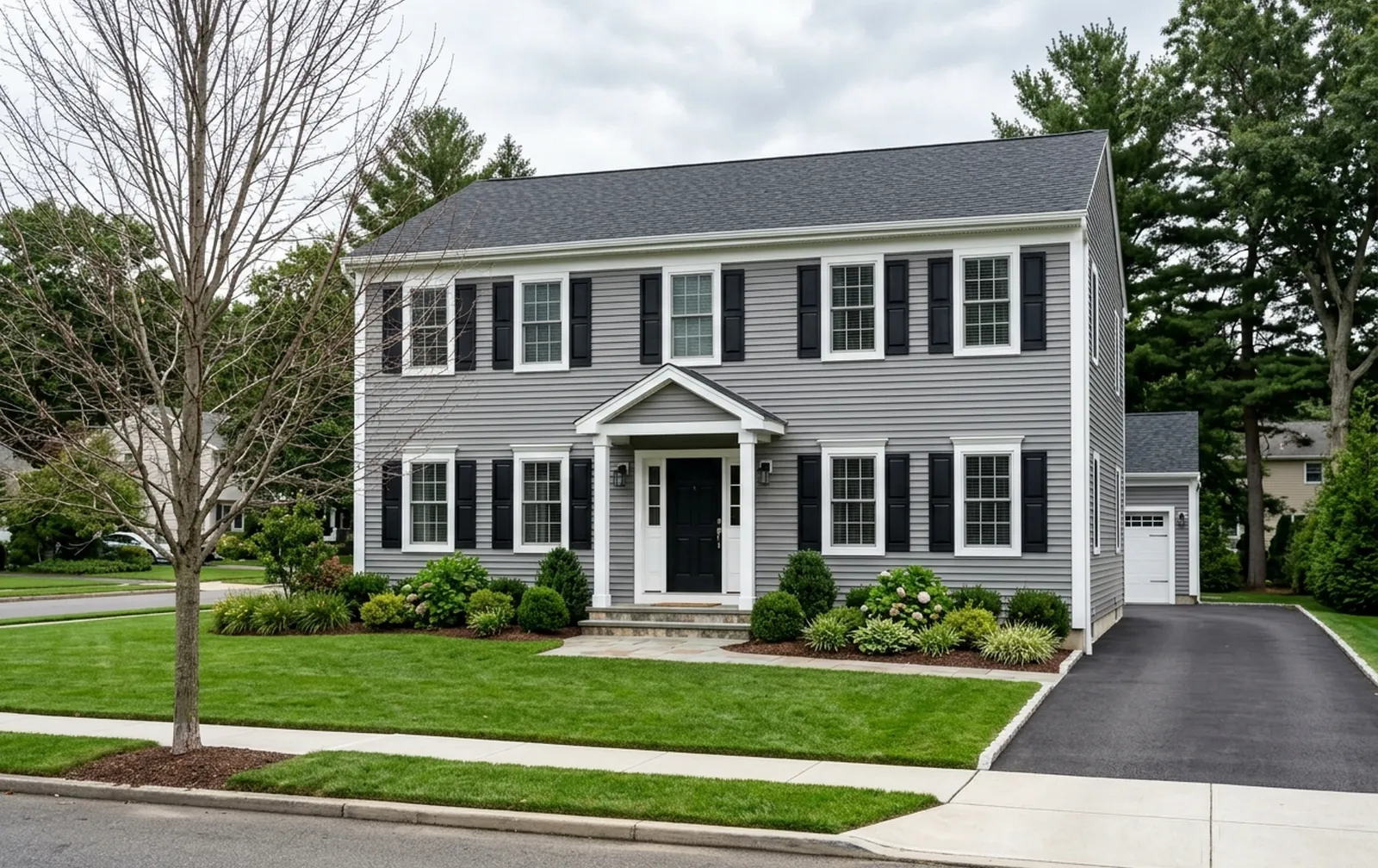
Published · Updated
By Gotham Home Services Inc. · NYC home improvement contractor license 2132513-DCWP
Siding is the outer layer of your home's weather protection, but what keeps water out is largely hidden behind it. When you plan a replacement, ask what happens to the sheathing, the water-resistant barrier and the flashing, not just which color you like. For siding work across New York City, see siding installation in NYC.
What are the key points?
- 1.Vinyl, fiber cement, wood and composite differ in upkeep
- 2.Damaged sheathing should be repaired before new siding
- 3.A water-resistant barrier and flashing prevent leaks
- 4.Window and door flashing is a common failure point
- 5.Color and style should suit the house and block
- 6.Replacement scope should be written down
What should you know in detail?
Vinyl is common, light and low maintenance, with a wide range of colors. Fiber cement is heavier and firmer and is often chosen for a more traditional look. Wood and composite offer a classic appearance and different upkeep. We explain how each option fits your house, budget and how much maintenance you want to take on.
Moisture is the real enemy. Gaps around windows, doors and trim let water behind the siding, where it can soak sheathing and framing. Flashing at openings and a continuous water-resistant barrier direct water out. If you already see staining, soft spots or a damp basement, read our guide to basement waterproofing methods too.
Siding often meets masonry, such as a brick base or chimney. Where the two meet, the joint and flashing need attention, so a brick check belongs in the plan; see brick repointing and spalling signs.
A written scope should name the material, the removal and disposal, repairs to sheathing, the barrier and flashing details, trim and the cleanup. That is what we provide after the site visit, and pricing is quote on request.
FAQ
Frequently asked questions
What is the short answer on siding Replacement Options for NYC Homes?
Siding protects a house from weather, so the work behind the surface matters as much as the material you choose. Vinyl, fiber cement, wood and composite each have different upkeep, appearance and installation requirements, and none will perform well over damaged sheathing or missing flashing.
What are the key points to remember?
Vinyl, fiber cement, wood and composite differ in upkeep. Damaged sheathing should be repaired before new siding. A water-resistant barrier and flashing prevent leaks. Window and door flashing is a common failure point. Color and style should suit the house and block. Replacement scope should be written down.
Does Gotham Home Services serve my area?
Yes. Gotham Home Services serves Manhattan, Brooklyn, Queens, the Bronx, Staten Island and Long Island.
How do I get a quote?
Call (516) 348-5145 or request a quote online. A technician diagnoses the problem on site and gives a written quote before any approved work begins.